 0
0
 0
0
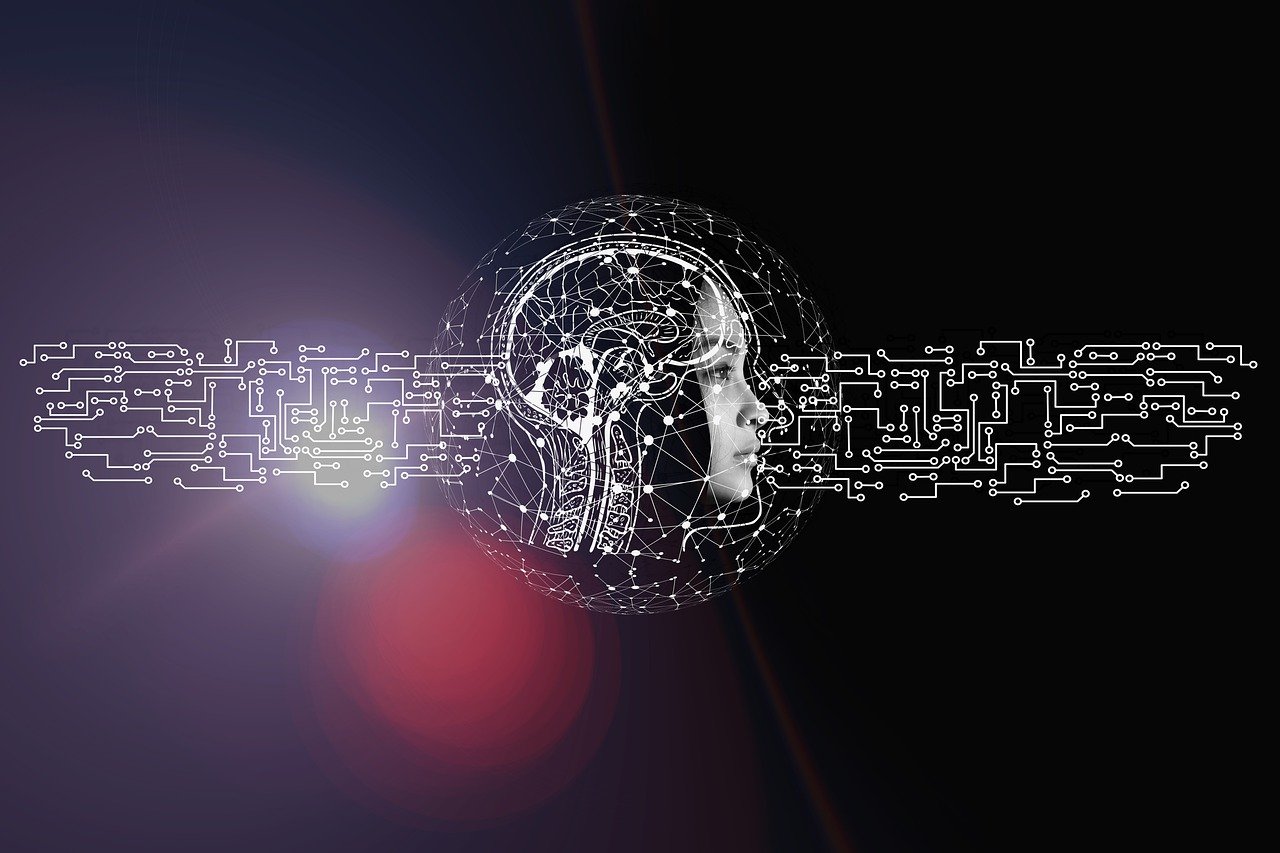
Robot assistants, self-driving cars, smart glasses: technologies that once belonged to science fiction are rapidly moving toward everyday reality. As artificial intelligence (AI) becomes increasingly woven into the fabric of daily life, the question looms large: will this transformation be a blessing or a curse?
Over the past few years, AI development has accelerated at a pace that has surprised even industry experts. The release of ChatGPT marked a turning point, offering the public an unexpectedly powerful tool capable of generating text, solving problems, and assisting with tasks that previously required human expertise. Its sudden ubiquity has sparked both excitement and unease.
On one hand, AI promises remarkable progress. In medicine, algorithms can already detect diseases earlier and more accurately than many traditional methods. In technology and engineering, AI-driven automation is streamlining processes and reducing human error. In education, personalized learning systems could help students overcome barriers that conventional classrooms struggle to address. These advancements have the potential to significantly improve quality of life.
Yet the rapid expansion of AI also raises serious ethical and social concerns. Without clear regulatory frameworks, the industry is advancing faster than governments can respond. Privacy advocates warn that AI systems trained on massive datasets could erode personal freedoms. Economists caution that automation may displace millions of workers, fundamentally reshaping the labor market. And ethicists question how society should handle machines capable of making decisions that affect human lives.
The debate is far from settled. For some, AI represents an unprecedented opportunity to solve global challenges. For others, it is a technological force that must be carefully controlled to prevent unintended consequences.
What is certain is that artificial intelligence is no longer a distant concept. It is here, evolving, and increasingly influencing how we live, work, and interact. Whether it becomes a tool for empowerment or a source of disruption will depend on the choices society makes today.
- Hectort Pascua/picture: pixabay.com



This post has already been read 6166 times!